
As the ASCO Annual Meeting approaches, the global oncology community once again turns its attention to the future of cancer care. Each year, ASCO showcases groundbreaking therapies, clinical advancements, and scientific progress. Yet, beyond the headlines of innovation, a more meaningful shift is emerging one that focuses not just on discovery, but on how effectively care is delivered to patients in the real world.
Because today, the question is no longer “What can we treat?” it is “How well are we treating patients, and where?”
Clinical oncology has evolved into a highly sophisticated field driven by precision medicine, immunotherapy, and advanced diagnostics. However, alongside these innovations, there is a growing emphasis on patient-centric care.
Cancer care is no longer a linear journey. It is a complex ecosystem involving diagnosis, surgery, therapy, recovery, and long-term monitoring. Patients today expect more than effective treatment they expect timely access, coordinated care, and better outcomes with minimal disruption to their lives.
This shift is increasingly reflected at ASCO, where discussions now extend beyond clinical efficacy to include real-world evidence, care delivery models, and patient experience.
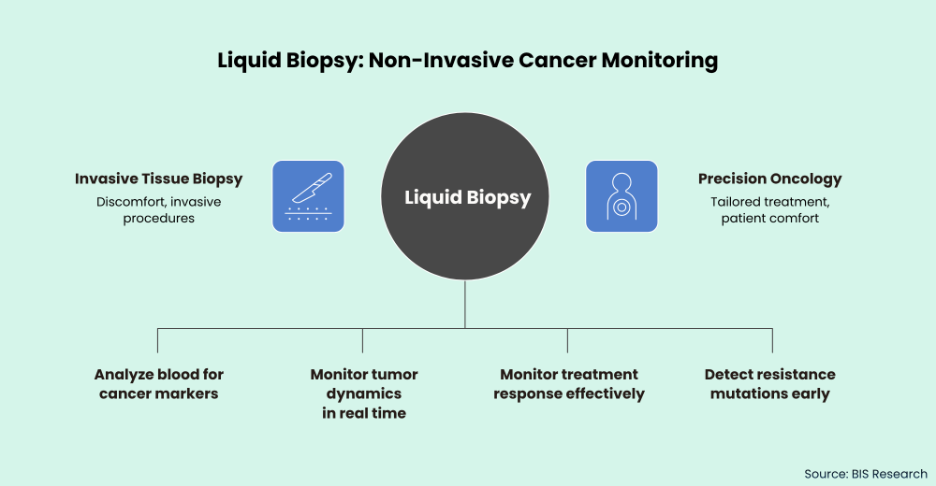
One of the most impactful innovations aligning with ASCO’s themes is the rise of liquid biopsy technologies. Unlike traditional tissue biopsies, liquid biopsy enables non-invasive cancer detection and monitoring through biomarkers found in blood and other bodily fluids.
This advancement is reshaping clinical oncology by allowing oncologists to:
• Track tumor dynamics in real time
• Monitor treatment response more effectively
• Detect resistance mutations early
From a patient care perspective, the benefits are equally significant reduced discomfort, fewer invasive procedures, and faster clinical decisions.
The growing adoption of liquid biopsy reflects a broader transition toward precision oncology, where treatment strategies are tailored to individual patient profiles. Positioned at the intersection of innovation and patient-centric care, it has become a critical focus area at global forums like ASCO.
While drug innovation often dominates the conversation, surgical oncology remains a cornerstone of cancer treatment, particularly for solid tumors. In many cases, surgical intervention is the most decisive factor in patient outcomes.
Yet, despite its importance, there is a significant gap:
Limited visibility into where surgeries are performed, at what volume, and with what outcomes
This lack of structured insight creates challenges for both providers and patients ranging from inefficient referrals to delays in accessing the right care at the right time.
Get tailored insights aligned to your oncology strategy - Request a Custom SPVD Quote
To address this gap, the industry is increasingly turning to Surgical Procedure Volume Databases (SPVDs) a powerful tool for bringing real-world clarity into oncology care.
These databases aggregate and analyze procedure-level data across hospitals, surgeons, and regions, offering actionable insights that go far beyond traditional reporting. According to BIS Research, modern healthcare intelligence integrates hospital systems, procurement data, and real-world procedural tracking to build accurate demand models and improve decision-making .
The impact is immediate and meaningful:
• Identification of centers of excellence
• Benchmarking of surgical performance
• Improved patient referral pathways
• Better capacity and infrastructure planning
The result is simple: better alignment between patient needs and surgical expertise
Discover how real-world Surgical data can transform oncology decision-making
Explore Surgical Procedure Volume Database (SPVD)
The future of oncology lies in connecting clinical innovation with operational intelligence. Breakthrough therapies must be supported by the right infrastructure, expertise, and timing.
Leveraging deep data analysis, expert validation, and real-world evidence is key to improving patient outcomes and healthcare efficiency .
By integrating surgical data into oncology strategies, stakeholders can:
• Anticipate procedure demand trends
• Track adoption of advanced surgical technologies
• Optimize hospital and care delivery strategies
• Ensure timely and equitable access to care
ASCO is no longer just a platform for clinical breakthroughs it is becoming a stage for rethinking how care is delivered at scale.
The growing focus on real-world evidence and patient outcomes signals a clear shift:
From innovation in isolation to innovation in action
As oncology continues to advance, Surgical Procedure Volume Databases (SPVDs) will play a defining role in bridging the gap between innovation and patient care.
SPVDs act as a decision-support layer, transforming raw surgical data into meaningful insights. By capturing and analyzing procedure volumes across the healthcare ecosystem, they help identify expertise, improve care pathways, and ensure that patients receive treatment in the most appropriate settings.
In a field where precision, timing, and expertise define outcomes, SPVD enables a more coordinated, efficient, and patient-centric approach to cancer care.
Connect with our analysts to explore SPVD use cases
Schedule an Expert Discussion
Ultimately, the future of oncology will not be defined solely by scientific breakthroughs but by how effectively those breakthroughs are delivered.
And that future will be powered by data, insight, and a relentless focus on the patient.